

Every year, around 30 million MOT tests are conducted across the UK, and more than a quarter initially result in failure Costdetails. The frustrating part? Many of these failures are completely avoidable with some simple pre-MOT checks. Here’s a breakdown of the most common reasons cars fail their MOT—and what you can do to prevent it.
1. Lighting and Electrical Equipment (23.6% of Failures)
Nearly a fifth of all cars which fail their MOT do so because of an issue with their lights, often as simple as a blown bulb Airtasker. This includes headlights, brake lights, indicators, fog lights, and number plate lights.
How to avoid it: Walk around your car with all lights switched on. Check that indicators flash properly, sidelights and fog lights work, and ask someone to check your brake lights when you press the pedal. Look for cracked lenses or misty headlight covers too.
2. Suspension (13-18% of Failures)
Faulty suspension components are the most common cause for MOT failures by the narrowest of margins Costdetails. With potholes and other uneven surfaces commonly encountered throughout the UK road network, suspension systems certainly take the brunt of bumps and shocks Easy Number Plates.
How to avoid it: Listen for unusual banging or knocking sounds when driving over bumps. If your car lurches to one side or bounces excessively, get your suspension checked before the MOT.
3. Brakes (16.8% of Failures)
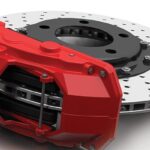
Braking system defects make up a significant portion of MOT failures. We use our brakes constantly in the UK, particularly in stop-start urban driving Easy Number Plates, which causes considerable wear.
How to avoid it: Get your brakes checked professionally if you notice squealing, grinding, or reduced stopping power. Check brake fluid levels regularly and top up if needed.
4. Tyres (7-12% of Failures)
If tyres are found to have insufficient depth – less than 1.6mm – your vehicle will fail its MOT, and tread depth issues are responsible for 14% of MOT failures Samstyres. You could also face a £2,500 fine and three penalty points per tyre.
How to avoid it: Use the 20p test—insert a 20p coin into the tyre tread. If you can see the outer band, the tread is too low. Check for cuts, bulges, or uneven wear on all tyres, including the spare if checked.
5. Visibility Issues (6-8% of Failures)
7.2% of MOT failures are a result of issues affecting the driver’s view of the road, including things blocking the windscreen (such as aftermarket sat-navs, dashcams or air fresheners), or cracks and chips within the driver’s eyeline Airtasker.
How to avoid it: Remove any items obstructing the windscreen. Repair chips and cracks in your line of vision before the test. Ensure your bonnet closes securely.
6. Windscreen Wipers (12% of Failures)
Visible tears or damage will result in failure, but another factor is whether or not wipers leave smears on the windscreen when used Samstyres.
How to avoid it: Replace worn wiper blades—they’re inexpensive and easy to fit. Top up your windscreen washer fluid before the test.
7. Registration Plates (14% of Failures)
If your front or rear number plate has significant damage, or the light above the plate is faulty, your vehicle will fail the MOT; 14% of failures are due to number plate issues Samstyres.
How to avoid it: Check both plates for cracks, fading, or dirt. Ensure the rear plate light works. Replacement plates cost around £30-£40.
8. Exhaust and Emissions (4-5% of Failures)
Excessive emissions, exhaust leaks, or a damaged exhaust system can cause an MOT failure, particularly in older diesel vehicles.
How to avoid it: Listen for unusual exhaust noises or notice excessive smoke. If your car has been sitting idle for long periods, take it for a good drive before the MOT to clear the system.
9. Seat Belts (7% of Failures)
Worn, frayed, or malfunctioning seat belts are an automatic fail. All seat belts must retract properly and lock when pulled sharply.
How to avoid it: Test each seat belt by pulling sharply to ensure it locks. Check for fraying, cuts, or damage to the webbing.
10. Steering Issues (2-3% of Failures)
Excessive play in the steering, damaged components, or power steering leaks will result in failure.
How to avoid it: If you notice increased steering wheel play, unusual noises when turning, or the car pulling to one side, get it checked before the MOT.
The Bottom Line
Many of these failures are caused by worn-out tyres, faulty lights, and low brake fluid—issues that are simple to check and fix ClickMechanic. Taking 30 minutes to perform basic checks before your MOT could save you from an embarrassing (and expensive) failure.
Better yet, consider booking a pre-MOT inspection or service at your local garage. Professionals can identify and fix potential issues before test day, giving you peace of mind and potentially saving you money in the long run.
Remember: these checks aren’t just about passing the MOT—they’re about keeping you, your passengers, and other road users safe. Don’t wait until test day to discover problems that could have been easily prevented.

Leave a Reply