
Your brakes are arguably the most critical safety feature on your car. Yet many drivers ignore the early warning signs of brake problems until they’re faced with expensive repairs—or worse, a dangerous situation on the road. Understanding how to spot worn brake pads and discs early can save you money, prevent further damage, and most importantly, keep you safe.
Understanding Your Brake System
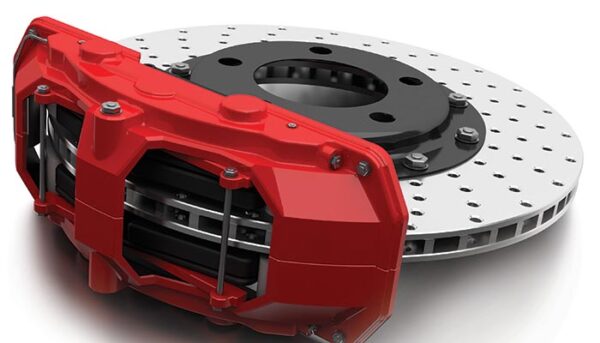
A typical vehicle braking system consists of a pair of brake pads, a brake disc and a brake calliper for each wheel. The pads are fitted in the calliper with their friction material almost touching the two sides of the brake disc. When the brake pedal is pressed, hydraulic fluid in the calliper pushes each brake pad against each side of the rotating brake disc, resulting in friction which slows down and eventually stops the vehicle Costdetails.
Early Warning Signs: The Sounds You Shouldn’t Ignore
High-Pitched Squealing
The most common sound to listen out for is a high-pitched screech, audible through most car windows. Brake pads are designed to give off a noise when worn down Costdetails. This screeching happens because on one of the discs, you have a small piece of metal called an indicator which helps inform you that you need to get your brakes looked at. You should be able to hear this even if your windows are up, so if you hear anything, do not ignore it Airtasker.
Important note: A common occurrence is when the weather is relatively wet and you have not used your car in a while, a thin layer of rust can form on the brake discs. When first used, this can sometimes make a bit of a squeak. It is usual for this to occur and should not worry you; however, if the noise is non-stop, you may want to have them looked at Airtasker.
Grinding Noises
If you can hear a grinding noise when you brake, it’s likely that the friction material of your brake pad has worn away significantly, and the harsh sound is caused by the remaining metal on metal contact between the pad backing and the brake disc FixMyCar. This is a serious problem that requires immediate attention—you should not continue driving.
Physical Symptoms to Watch For
Increased Stopping Distance
If you believe it is taking you longer to brake, then it is most likely your brake pads are significantly worn. You may find they become less responsive Airtasker. This is particularly noticeable when you’re familiar with how your car normally performs.
Vibrations and Pulsations
Vibrations felt through the brake pedal or steering wheel are often a sign of worn or damaged brake pads. This vibration occurs when the pads are unevenly worn or when the brake discs are warped Checkatrade. If a front rotor is warped, customers will feel a pulsation when pressing the brake pedal and or shaking of the steering wheel. If a rear rotor is warped, customers will often feel a vibration beneath their seat while they’re braking National Scrap Car.
Car Pulling to One Side
If you find that when you brake, your car is leaning more to one side or is pulling in a specific direction, the brake lining might be more worn on one side Airtasker. This could indicate uneven pad wear or a sticking caliper.
Soft or Spongy Brake Pedal
If you have to press your brake pedal further towards the floor, or it feels soft or squishy, these are classic signs your brake pads might be on their last legs Samstyres. This can also indicate brake fluid issues.
Visual Inspection: What to Look For
Dashboard Warning Lights
The most obvious indication is a brake pad wear warning light. It will show on the car’s display board to indicate that at least one set of pads is almost worn out and a replacement needs to be fitted. However, not all cars are equipped with brake pad sensors Costdetails.
Checking Pad Thickness
Most brake pads are manufactured with between 8/32″ and 12/32″ of wear material, not including the backing plate. When the remaining material is down to 3/32″, it’s time to replace your brake pads BookMyGarage. Most professionals suggest replacement when the friction lining is less than 4mm thick at any point GB News.
You can perform a basic visual check yourself: Without taking the wheels off, finger through the wheel to the edge of the disc. Feel for a lip on the disc edge, and check the gap between the metal of the pad and the disc ClickMechanic.
Understanding Worn and Warped Brake Discs
What Are Warped Discs?
Despite the name, discs aren’t actually structurally warped in most cases. Every warped brake disc that’s been investigated shows uneven patches of friction material from the brake pads on the surface of the disc RAC. This creates an uneven surface that causes vibrations.
Symptoms of Disc Problems
Signs to watch for include: a warning light illuminating when there is a problem somewhere in the braking system; a loud screeching occurring as a result of rust build-up on the discs (though damage should wear off after driving); bad vibrations indicating warped discs that the naked eye may struggle to recognise; longer braking times indicating wear and tear to the disc and pads; grinding sounds usually made when pads become worn, which accelerates wear and tear to brake discs Costdetails.
Causes of Disc Warping
Severe heat conditions are one of the main reasons that rotors warp. When brakes get very hot, the rotor’s surface actually softens. Then, when the brakes are applied, the brake rotor surface wears down in areas of lower density rather than the brake pad getting worn, resulting in disc thickness variation where some spots are physically thinner than others on the rotor Motoring Assist.
When to Seek Professional Help
While many brake inspections can be done at home, some situations call for professional help. If you experience grinding noises, reduced responsiveness, or vibrations that can’t be fixed through basic checks, it’s time to consult an expert Checkatrade.
You should try to have both your brake discs and brake pads checked every 10,000 miles. Your brake discs will need to be replaced after 30,000 to 50,000 miles on average, and your brake pads after 20,000 to 40,000 miles. However, these figures will depend on the quality of the parts, your driving habits, and the condition of other braking components FixMyCar.
The Dangers of Ignoring Worn Brakes
Ignoring worn brake pads can have serious consequences. As the pads wear down, their ability to generate sufficient stopping power decreases, leading to longer stopping distances and increasing the risk of accidents, particularly in emergencies Checkatrade. Left unfixed long-term, brake pads will eventually wear into the rotors, forcing you to replace them as well. The caliper piston could over-extend or contact the rotor surface in extreme situations, requiring new calipers too BookMyGarage.
Prevention Tips
- Listen to your car: Pay attention to any unusual noises when braking
- Feel for changes: Notice if your brake pedal feels different or if stopping distances increase
- Regular inspections: Check brake pad thickness visually every few months
- Professional servicing: Have brakes professionally inspected during routine services
- Drive sensibly: Avoid harsh braking where possible, as this accelerates wear
The Bottom Line
Your brakes give you plenty of warning before they fail completely. Squealing noises, vibrations, longer stopping distances, and pulling to one side are all early indicators that shouldn’t be ignored. A simple inspection can identify problems before they become dangerous or expensive.
Remember: If you have any issues with your brakes, or you’re concerned by the sound or feel of your car when braking, have your car checked by a qualified technician straight away FixMyCar. It’s not worth risking your safety or that of others on the road.
The good news? Catching brake problems early is straightforward if you know what to look and listen for. Stay alert to the warning signs, and you’ll keep your car safe, reliable, and stopping effectively for years to come.





Leave a Reply to A WordPress Commenter Cancel reply